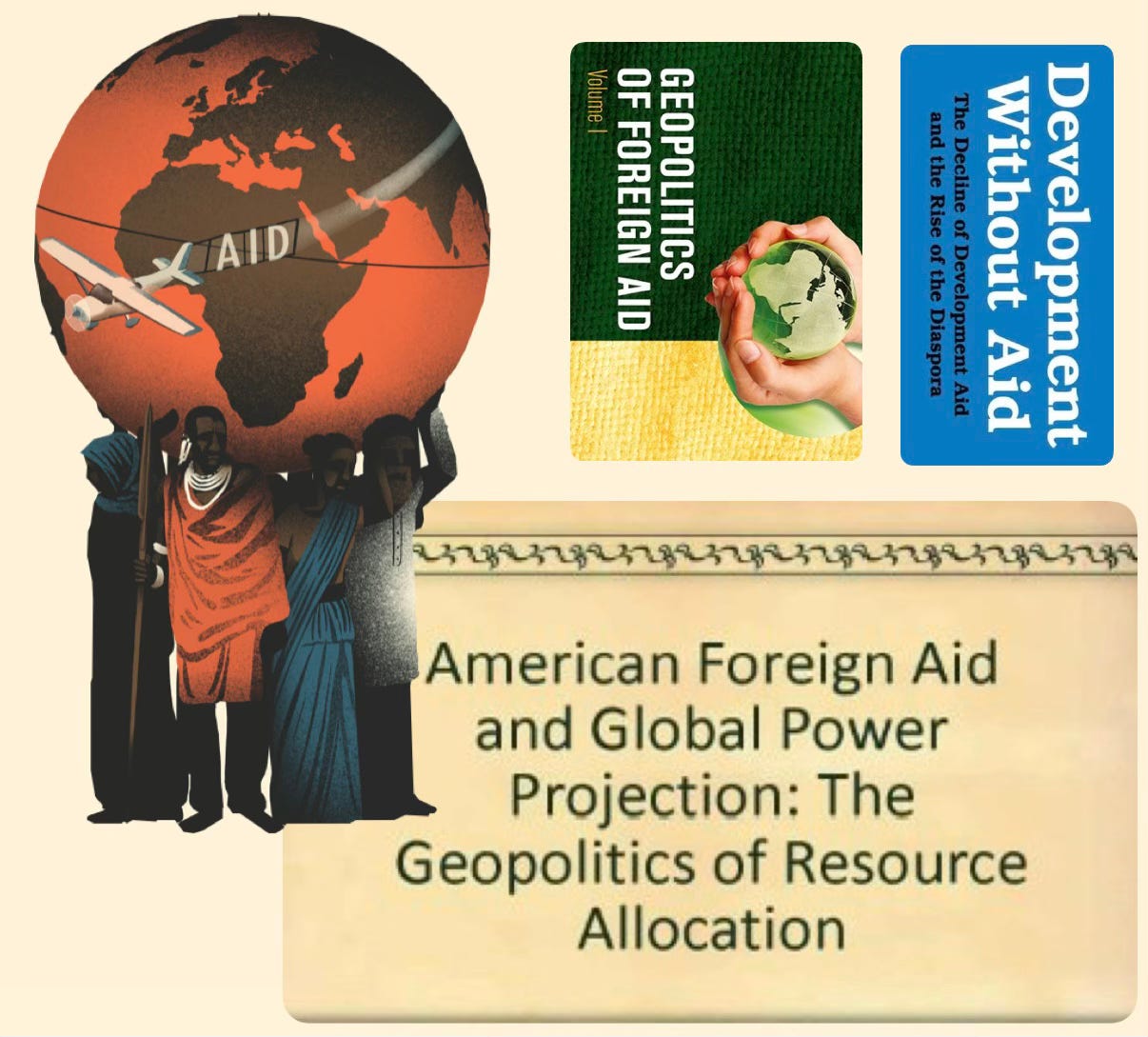
In my previous post, I argued that donors, by design, cannot end the problems they fund.
Geopolitical Objective of Donors
The primary reason is that aid is designed for the strategic objectives of the donor. This strategy is two-fold. Geopolitical and economic.
Development assistance for health is part of positive signaling within a wider global governance structure. Geopolitical objectives include keeping funded countries psychologically dependent on both financing and foreign technical advice.
As missionaries were to colonization, so is the aid industry to neocolonialism. In each case, the link is never apparent, except in retrospect.
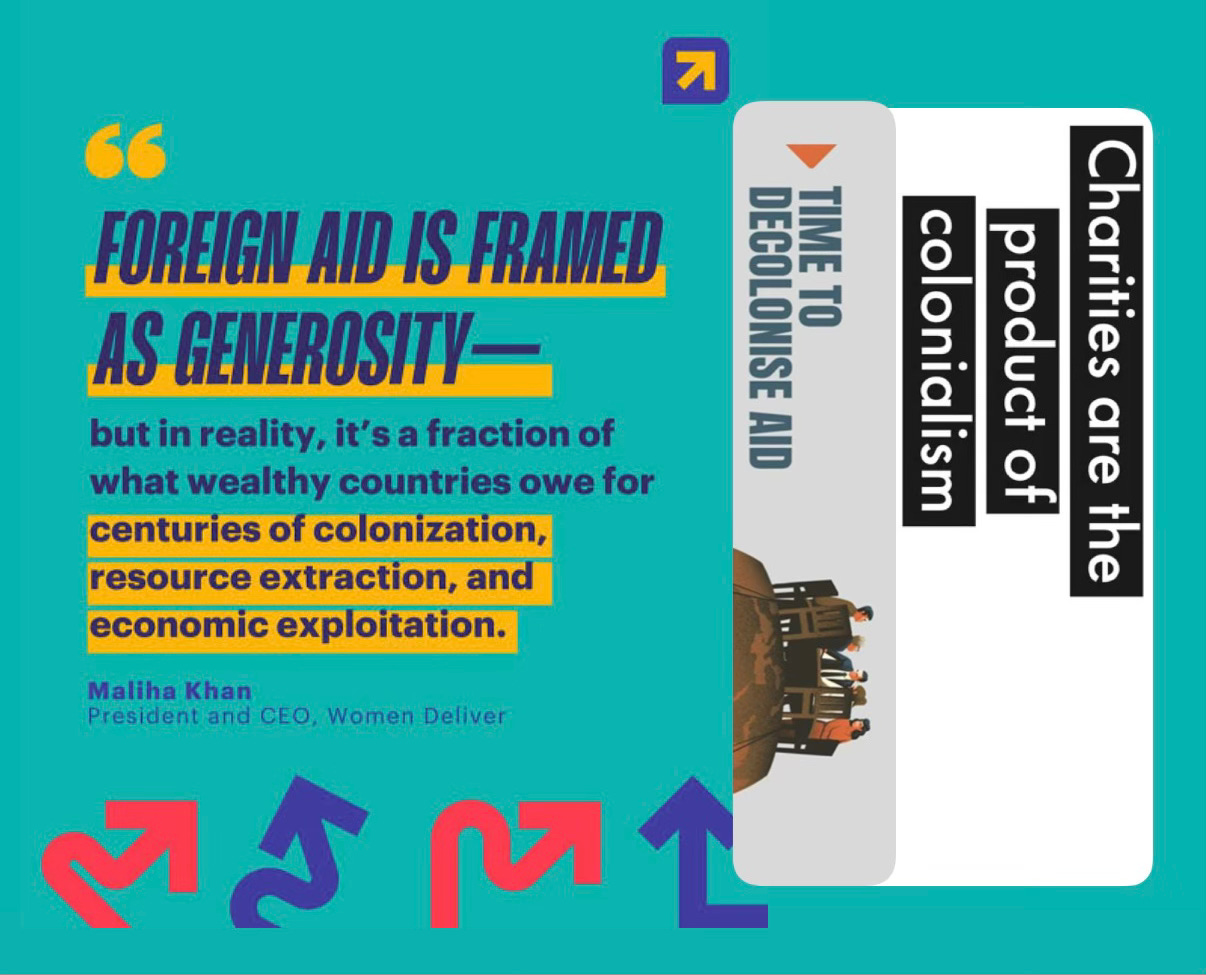
Even when donors are fronted by locals, such as indigenous health sector leaders, researchers or report writers, the practice of donor funding, or Development Assistance for Health (DAH), grew out of a post WW2 colonial objective. It used to be called ‘charity’: a more refined way of maintaining western geopolitical and colonial control, through economic leverage.
Economic leverage includes wider, global levers, such as trade agreements and preconditions for financing that maintain old hierarchies in new ways. One Yorùbá proverb says, “Òkè lọwọ afúnii gbé,” which implies that the giver’s hand remains “on top”.
For this purpose, donors are part of a wider global system which keeps countries that receive funding dependent, by providing just enough financing with one hand, but also imposing conditions, recycling debts, restricting global trade and securing military objectives.
Economic Objective of Donors
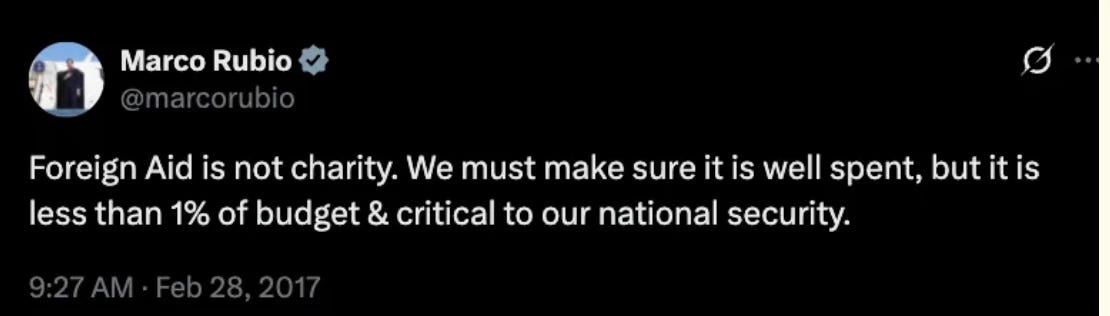
Secondly, and equally important is the economic objective. The donor system guarantees a supply chain for manufacture, and global distribution of health products. This economic objective funnels donor money through the global banking system, back to the countries where it was donated from: with profit. Recent research shows aid plays a key role in helping donor countries secure access to critical minerals.
We can agree that the historical and global context of the donor system is fairly complex, and not always obvious at the point of delivery. We can also, clearly see that is not in the interests of donors to permanently solve the problem. If they do, they, their governments, their banks, corporations and other partners will be out of business.
Look no further than the current cold war between the West and China to see the geopolitical and economic reaction to economic competition, or any potential disruption of the global hierarchy that has existed since WW2.
Aid is designed to keep recipient countries coming for more, but still never develop enough to completely exit the cycle. A recent UN report reminds us, in case we forget, that the “C” in the UK’s Foreign, Commonwealth and Development Office (FCDO), originally stood for ‘Colonial’. In 1966, the acronym was, ahem, modernized. If on the other hand we prefer to believe that nearly a century of donor dependence is all about ‘charity’, then, perhaps we are not yet ready to build independent, sustainable health systems?