

What are our sources of information about health systems?
A recent report, the SBM Health Preparedness Index, published 6th November 2025, assesses the capacity of Nigeria’s 36 states to respond to health emergencies. Its findings show that none reached even 30% preparedness. The report concludes states have fragile health systems.
Low budgets, poor infrastructure, and medical brain drain are the key culprits. The report expects policy to fix these findings.
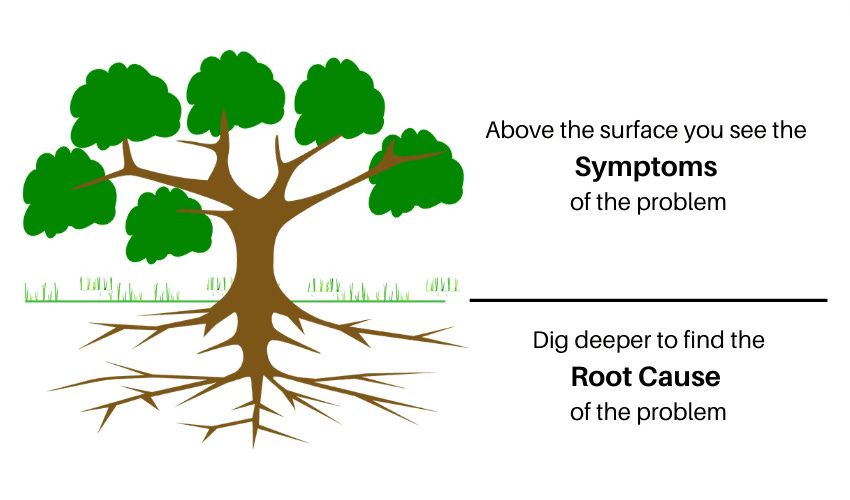
Useful as it seems, a report like this is still scratching the superficial surface. Its findings, though health-sounding, are actually, non-health issues.
We can’t fix health systems, if we don’t dig deeper: with our own tools. Donor sponsored reports, such as this, cannot provide a harvest of answers.
In fact, they are not designed to.
Donors are limited by design
Outside of their strategic objectives, donors don’t have any dog in this fight. They can’t offer no-strings technical advice, or altruistic financing.
Not their circus, not their monkeys.
Until developing countries ourselves start generating our own original ideas, no thorough analysis of health systems can emerge. Generational cycles of dependence on development assistance for health will persist.
In 2009, Harvard trained, Zambian born economist, Baroness Dambisa Moyo argued that despite a half century and more than $1 trillion, development assistance has not improved the lives of Africans.
Moyo’s radical insight was not well received. Billionaire philanthropist, Bill Gates, said Dambisa Moyo’s book Dead Aid was “promoting evil” and that “she didn’t know much about aid”.
Even pro-poor former World Bank economist Jeffery Sachs denounced Moyo’s views as “cruel and mistaken.”
In a twist on religious fears of the antichrist, the New York Times branded the Zambian economist the “anti-Bono”.
Two decades after Dead Aid, donor envelopes have shrunk, local health spending has not grown, and debt traps have gone through the roof. Many countries are in panic mode.
After nearly a century of dependence on aid and technical advice, why do donors still not have the answer? In the next edition, I will provide 2 reasons why this is by design. We must first challenge our sources of thinking, for Donor Assistance for Health (DAH) to end, and new health systems to begin.
