

Once upon a time, I was a medical student. My path had been laid out before I was born. My father was a Professor at the University of Ibadan, who would one day discover the first case of Avian Influenza in Africa’s largest economy. My mother was the Chief Nursing Officer of this premier university.
Like them, and I would grow up to become a doctor.
On one of those long lecture-hall afternoons, I heard the word “autism.” Our pediatrics professor, a woman with curly, speckled hair and thick goggles, described it as a spectrum. It sounded rare, even abstract.

Fast forward, I’ve been a doctor for a quarter of a century. My next-door neighbor, who waves from the balcony every time I come home, is autistic. Last year, family from my home church invited me to meet their child. Happy, playful, autistic. And, my own nephew has taught me more about my childhood self than I ever realized, through his own neurodivergence.
But, if empathy is built only on proximity, then it is a fragile, privileged thing. In our Yoruba culture, we are raised to ‘feel what another feels’. Àánú, or ìmọ̀lára, are part of ìwà rere, basic good character. Had I met Jason Arday as a young medical student, I might not yet have understood his autism, but I’d have at least been considerate.
In Clapham, the London borough where Jason Arday grew up, almost no Black child imagines a future as a doctor, let alone a professor. Quietly and systematically, teachers and advisers steer them toward retail, security work, delivery driving, sport and entertainment.
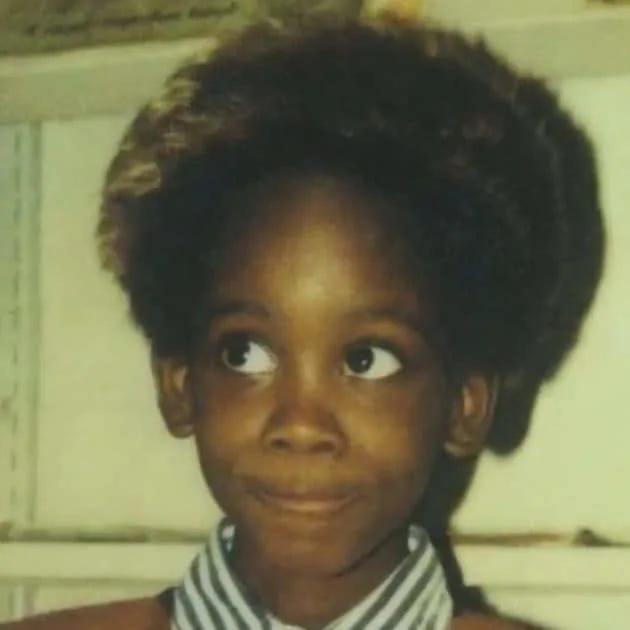
Ibadan, the Nigerian city where I grew up, is larger than London. Modest, middle-class upbringing, but on every side, I was surrounded by aspiration. The biggest ophthalmologist in the city was our neighbor to the left. The Chief Medical Director was our front neighbor. An Emeritus Professor of Education was to the right, and he was in fact a distant cousin of my mum. Next to his house, a husband-and-wife professor couple. One household even held a dynasty of them: grandfather, father, grandchildren, all professors in medicine.
It wasn’t until I left Nigeria — twenty-five years across twenty-five countries, fifteen of them in the Netherlands and Sweden — that I understood how rare my ordinary childhood was.
One Allegation, Cleared Twice
By the time the plagiarism allegations against Arday became public, they had already been investigated. Liverpool John Moores University, which had awarded Arday his PhD in 2015, examined the original allegations and found not plagiarism but citation defects in his literature review. “Honest and reasonable error,” LJMU concluded.
In June 2025, when the debate flared up a 2nd time, LJMU responded publicly: a confidential procedure had already been conducted, and Professor Arday’s PhD still stood.
As far as citations of other literature, Arday himself told The Times that early in his academic career he had relied heavily on mimicry to make interpretative sense of material. This itself is an autistic trait, this different way of processing information. Backing this, the LJMU admitted in their findings that Arday’s work was original, but any citation errors were “compounded by inadequate supervision, given his learning disabilities.”
Still, Arday accepted responsibility for those early mistakes, but denied dishonesty.
When the allegations resurfaced, Cambridge had already acknowledged the allegations were disproven. Weeks of media pressure, and possibly internal politics, forced a late reversal. Cambridge’s redecision & second investigation cost Arday his faith in the institution, and triggered his resignation, and withdrawal from public life.
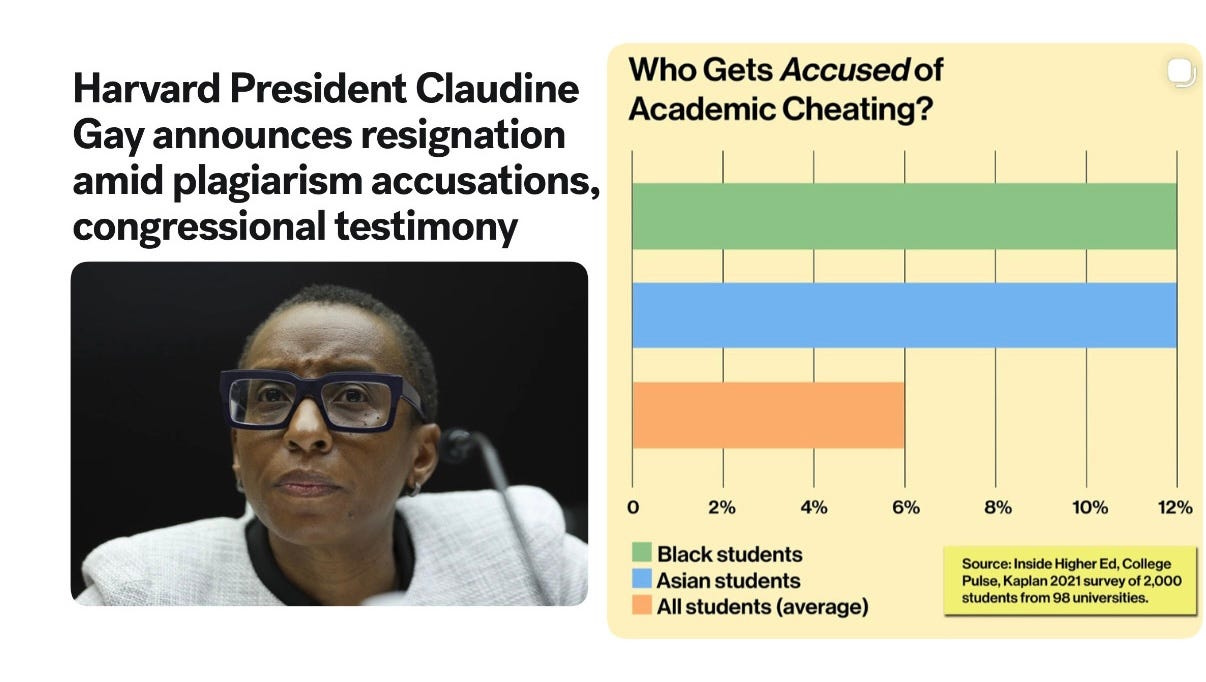
Mirrors a hazardous trend. Former Harvard president, Professor Claudine Gay, was also held up as a shining example, but abandoned & left vulnerable once there was an attack.
In fact, plagiarism allegations are levelled more than twice as often against Black academics as against their peers. This was published in a 2021 survey of 2,000 students across 98 universities, by Inside Higher Ed and College Pulse/Kaplan.
World-leading expert in autism, Simon Baron-Cohen, had issued a public warning that he considered Arday at risk of suicide. Baron-Cohen’s concern was rooted in his own 2014 research, since widely replicated, finding that one in four autistic people has planned or attempted suicide.
Instead, the media hounding didn’t just continue, it increased.
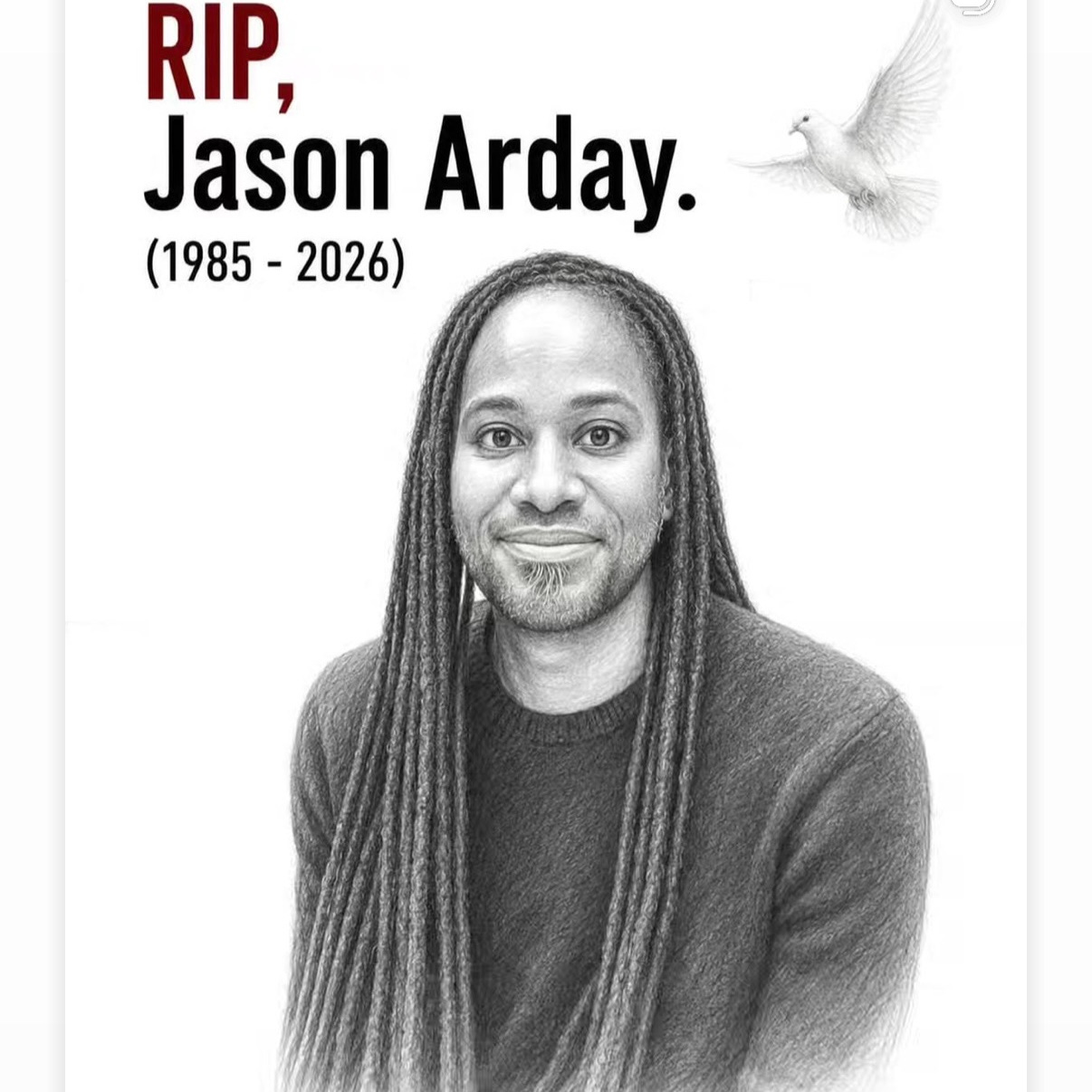
Arday’s downward mental health spiral ended in his sudden death on August 14, 2026.
Media as Weapon of Terror
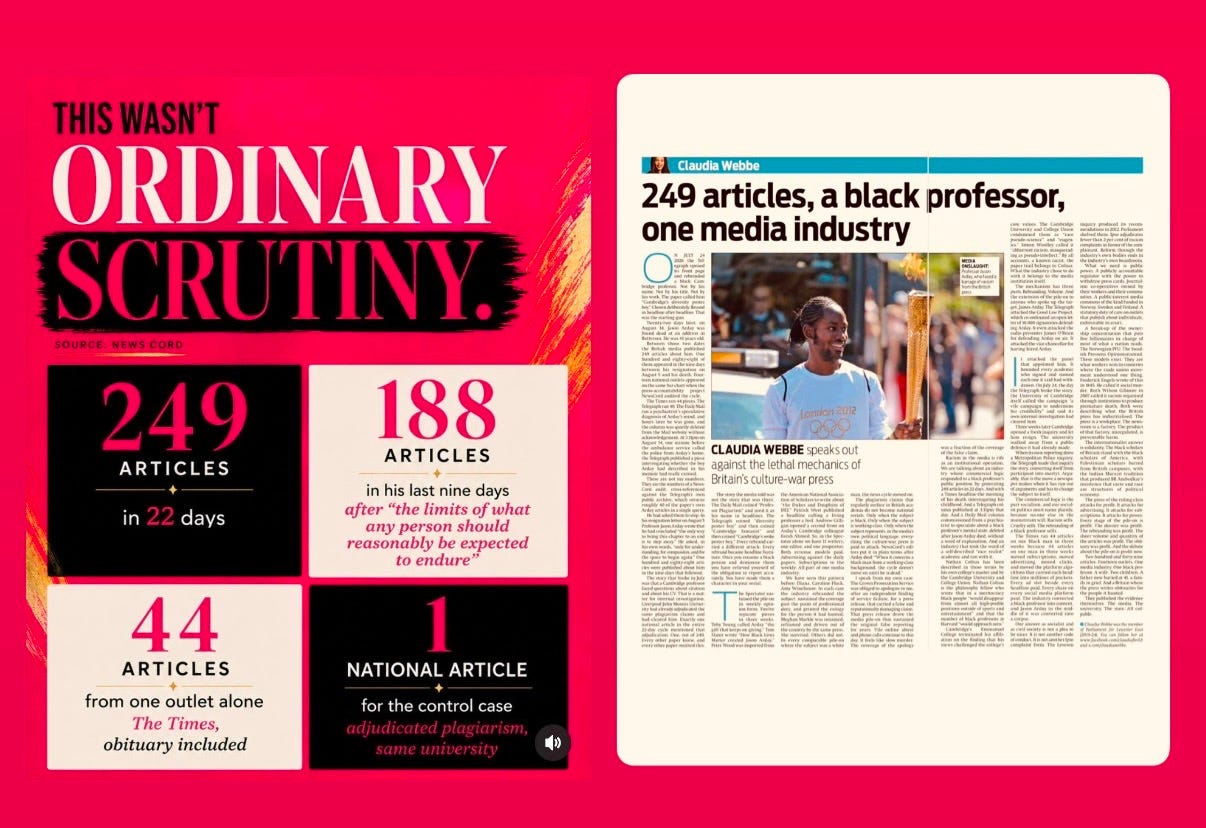
249 articles blazed across UK media in 22 days.
For comparison, the Jeffrey Epstein scandal where Peter Mandelson leaked sensitive government received 166 articles.
Just two newspaper articles were ever published about Cambridge professor William O’Reilly who was found guilty — not merely accused — of actual plagiarism in 2023.
From plagiarism allegations, the feeding frenzy morphed into full character assassination, disputes over Arday’s moral integrity, and a grand inquisition into his childhood.
“In a meritocracy, the number of black professors at Harvard would approach 0%.”
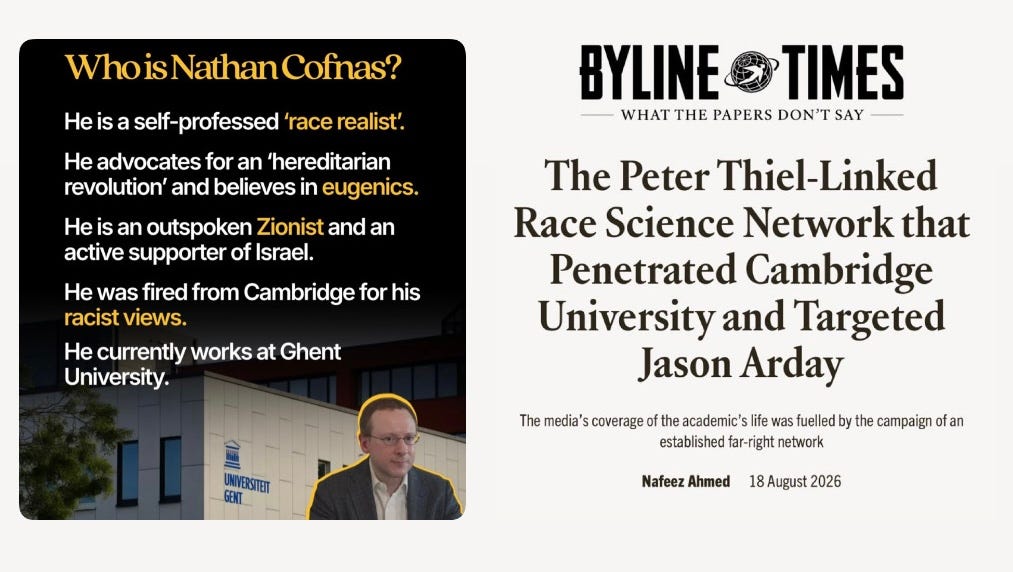
This Hitler-styled eugenist fallacy is attributed to Nathan Cofnas.
The post-doctoral researcher was fired from Cambridge’s Emmanual College, but later hired by Ghent University, despite protests by staff and students. Spurned, he believed that if he couldn’t become a Cambridge professor, no black person should.
It was Cofnas who fired off the media allegations against Arday.
Karen Attiah, formerly Global Opinions editor at The Washington Post, has described what happened as a digital terror campaign: algorithms, she argues, are a global demonstration of power, sending a fast, unmistakable warning to successful Black people in white institutions everywhere: don’t aim too high.
Nina Jankowicz, who was herself the target of a violent harassment campaign after being appointed to a US government disinformation board, says terror campaigns succeed at manufacturing self-censorship, unless institutions build real support structures: monitoring threats to protect people, not just reputations; and providing real physical and mental-health support to those under attack.
What Can You Do?
Professor Jason Arday is survived by his wife, Debbie-Ann McKenzie, their two children, Taylah and Noah; his mother, Gifty, a mental health nurse; his father, a chef; and three brothers. Their joint statement called him an amazing father, partner, brother, uncle, and son.
In the time since we lost Professor Arday, I’ve written to a fellow board member who is also an academic colleague at Ghent University, to ask what her administration planned to do about Nathan Cofnas.
Days later, Ghent has announced Cofnas’ suspension.
I’ve also written to Professor Arday’s family. In a short email, I told them how their husband, brother and son was an inspiration for children around the world. They have replied with thanks. Their email is available on request.
A protective legislation that would limit how many articles can be published about an individual in a specific timeframe is proposed to be called Arday’s Law.
A demand for public inquiry had been sent to the UK government.
Change.org registered over 20,000 official complaints in 48 hours, and over 150,000 emails have been filed to the Independent Press Standards Organisation (IPSO). You too can send a formal complaint.
If you feel triggered by the media coverage of Jason Arday, or are at mental health risk, please call the toll-free emergency number 112.
For those in Nigeria, please use these resources:
Mentally Aware Nigeria Initiative — MANI
• Phone: 0809 111 6264 or 0811 168 0686
• Email: info@mentallyaware.org
• Website: mentallyaware.org
SURPIN — Suicide Research and Prevention Initiative
• 24-hour toll-free hotline: 0800 078 7746
• Email: surpinng@gmail.com
• Website: surpinng.com
Whatever you do, you can decline to join in, when attacks like these recur.
Learn about autism. Also about ableism. Question your understanding of people, in general.
Did you know, people with autism ‘mask’? This means they suppress their natural autistic traits so they can fit into social expectations. But, masking requires massive amounts of energy, and causes mental and physical exhaustion. Another way autistic people ‘fit in’ is mimicry: copy pasting what they see others do, just to survive in social settings.
Be kind. Advocate for others, especially if they can’t advocate effectively for themselves. Understand group interest, in the way these media and attackers also do. Don’t be race naïve.
Our choices reflect in policies and politics, such as how we can stop the hemorrhage of educated talent that continues to surge abroad, while health systems stall in our own countries.
As John Stuart Mill told his students at St Andrews College in 1867: “Bad men need nothing more to compass their ends, than that good men should look on and do nothing.”
After 100s of years of geopolitical power play by institutions like Cambridge, men like Nathan Cofnas, and the global network of sponsors they represent, a new generation must act more intentionally, so we can all be free to be whoever we want to be, and develop together, in our own best interests.
Resources
Where is the research into Black autism and ADHD?
Academic integrity issues are not race neutral
Black academics more than twice as likely to be alleged of plagiarism